Revel in the Doing

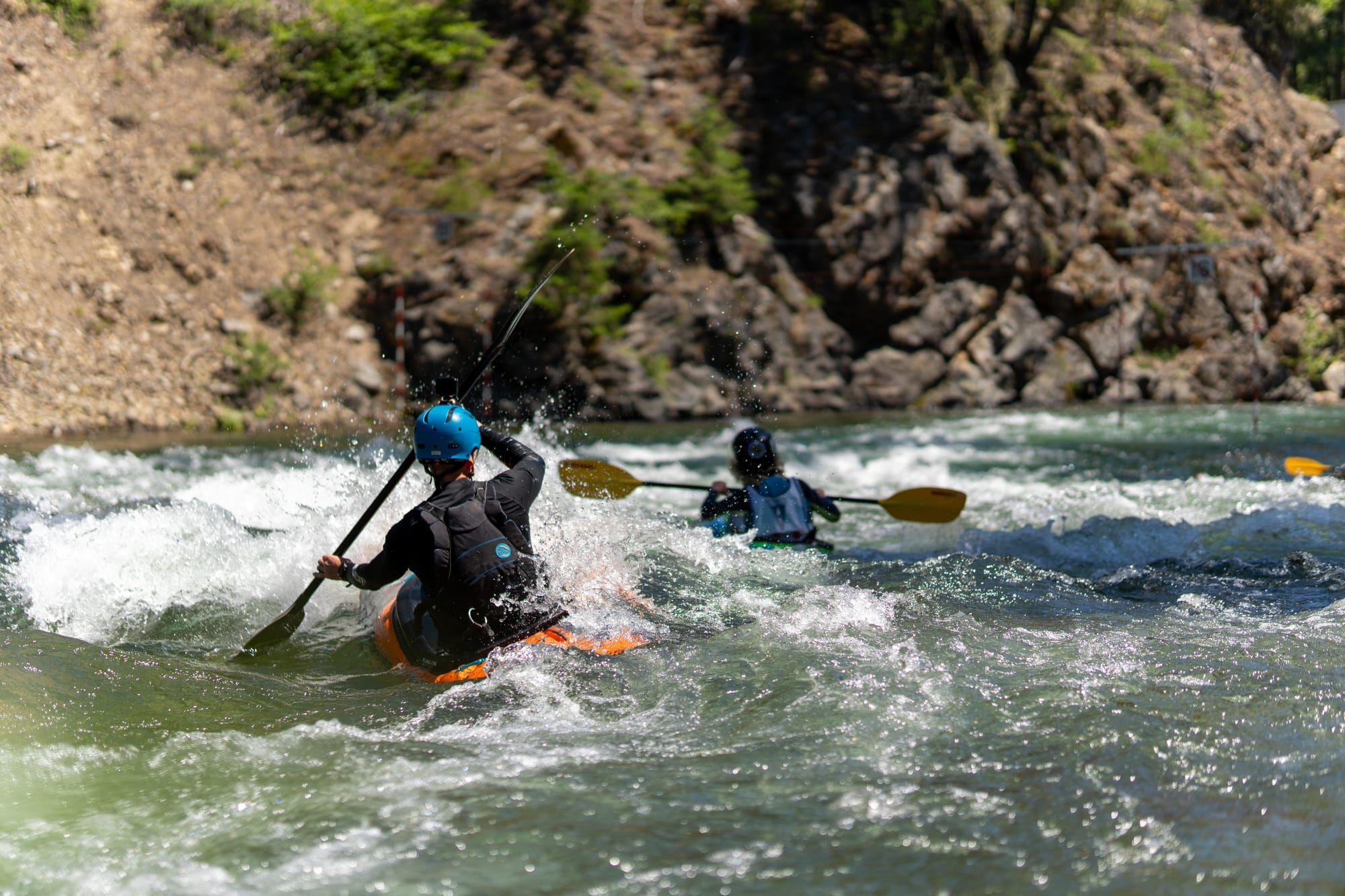
...now everything ahead seems kind of empty and I find I have already had my reward, in the doing of the thing.
Buzz Holmstrom penned these words in 1937 after running the last and largest rapid, Lava Cliff, in the Grand Canyon. The next day he would finish his trip, become the first person to ever navigate the Grand Canyon solo, and return to the world beyond the river. To Buzz, the accomplishment seemed trivial, the completion of the trip disappointing.
Much of my life until my 30's was consumed pursuing lofty goals, primarily athletic goals. In both cases, I had Olympic aspirations. In both cases, I fell short. It took well into my 30's to realize, while the goal defines the path, the journey is what matters.
Discovering Success in Running
It was 1993. I was standing on the podium with my high school cross-country team. We had just won the Missouri State Cross-Country Championships. We were the state champions. Our coach presented this as a significant challenge to us, a goal to work towards...and we had just achieved it.
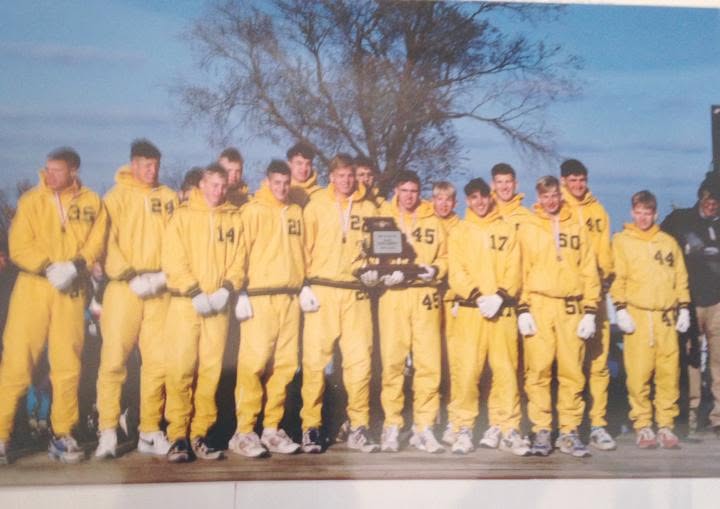
Standing on the podium, though...it felt anticlimactic. This struck me as really strange. I did not know how I was supposed to feel, but it surprised me how anticlimactic it felt.
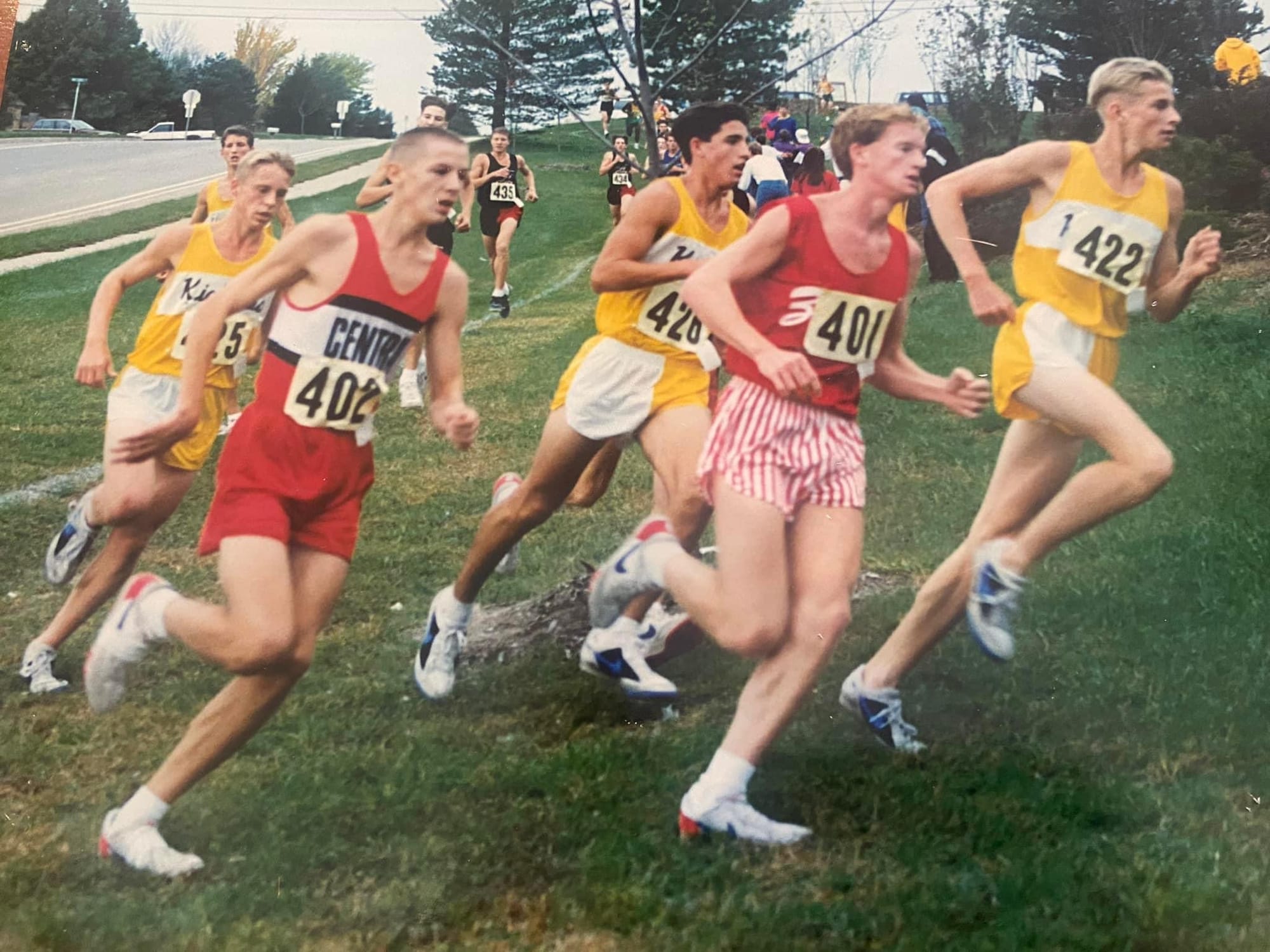
Now, thirty years later, although I remember that day, what I really look back on fondly, what matters now, are the hours spent training with my teammates, and the experiences we had along the way. The end, the goal, defined the means, but the reward was, "in the doing of the thing," just as it was 56 years earlier for Buzz Holstrom.
Whitewater Slalom
A decade later, I was training in earnest for whitewater slalom racing, and was in Durango, Colorado for the United States Whitewater Slalom Team Trials on the Animas. Now in my 30's, if I did not make the US Team, I was not on the trajectory I needed to be on to justify compromising so many other things in life to pursue this path. True, it was a long shot, but I was not even close.
One of the athletes I used to coach, Alex Dodge, took a photo of me a few minutes after the realization hit me. My journey toward this dream was over, and it was a hard pill to swallow. I was crushed, and it hurt.
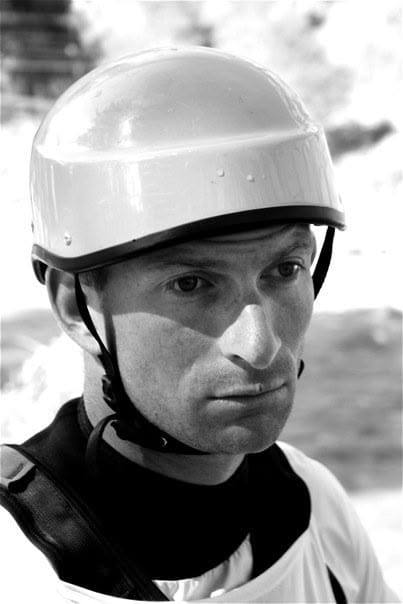
I returned to Charlotte and continued to paddle following Team Trials that year, and started to realize what had happened in the eight years I had been training in Charlotte in earnest. Although I fell short of my goal, along this journey I gained a lot. I became a much better paddler. I had the privilege of training with and coaching some of the best athletes in the world in whitewater. I enjoyed the privilege of working with the best coach I have ever met, Cathy Hearn.
Spending eight years as an Olympic hopeful transformed me into not just a good paddler, but a really good paddler. Interestingly, this is the reason I started training for slalom in the first place. While stationed in Corpus Christi, Texas, I wanted to do what I could to maintain my whitewater paddling skills, so I started training in a slalom boat on flatwater.
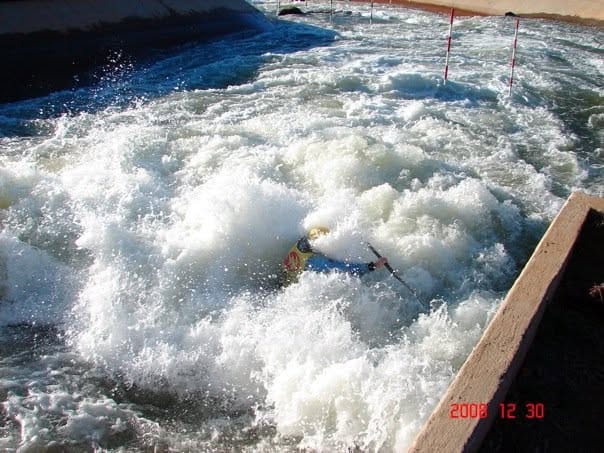
Now, I throughly enjoy the precision gained from all those years training when just padding for fun. A friend commented, "You do not have to contemplate where you might put the boat. You can put the boat anywhere you want, anytime you want!" Although I do not think about it much, yes, this largely is true. After spending over a decade seriously for slalom, making moves while recreationally paddling rivers typically is just a matter of knowing where to go, and then doing it.
Many of the athletes I enjoyed the privilege of coaching taught me far more than I ever taught them, and two of my training partners still, to this day, I consider to be good friends, Tad Dennis and Erik Amason. Many of these athletes have gone on to do far more in the sport than I have, but I enjoy knowing our paths crossed.
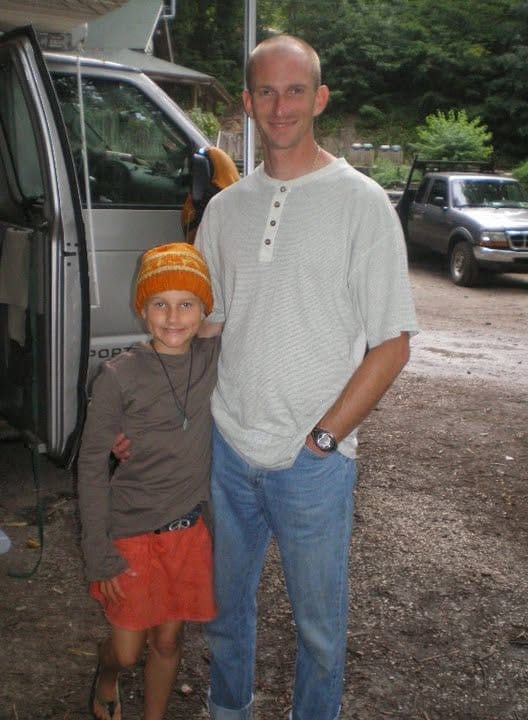
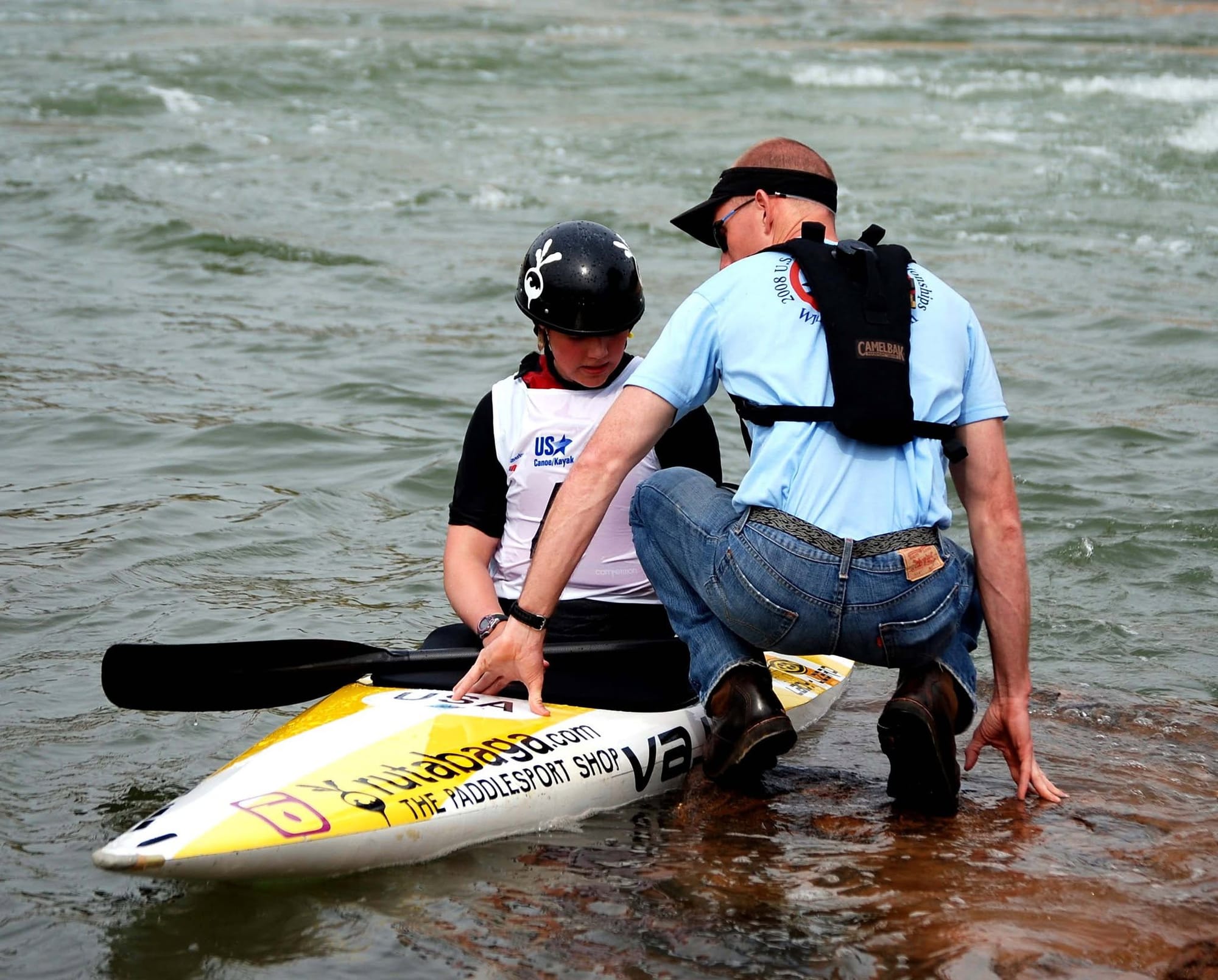
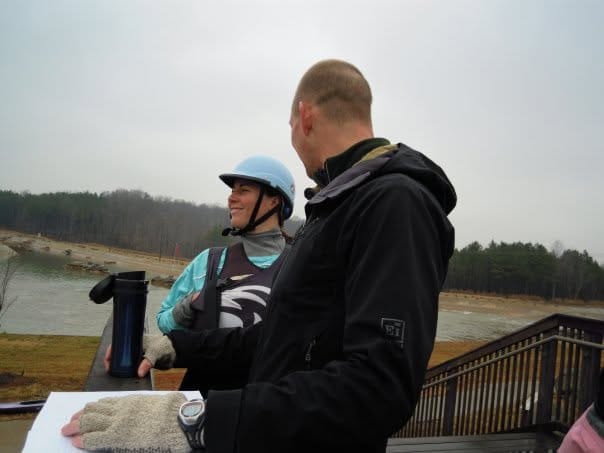
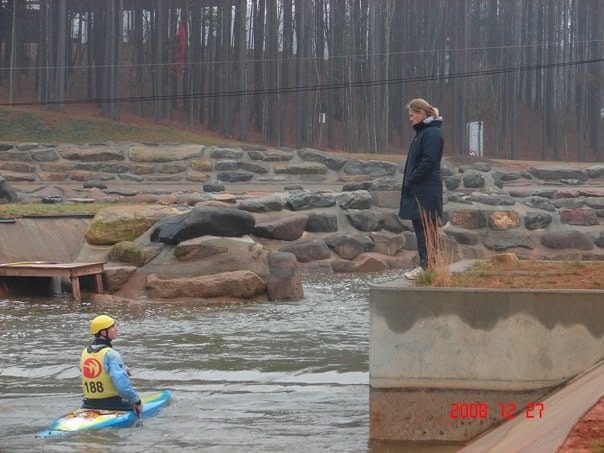
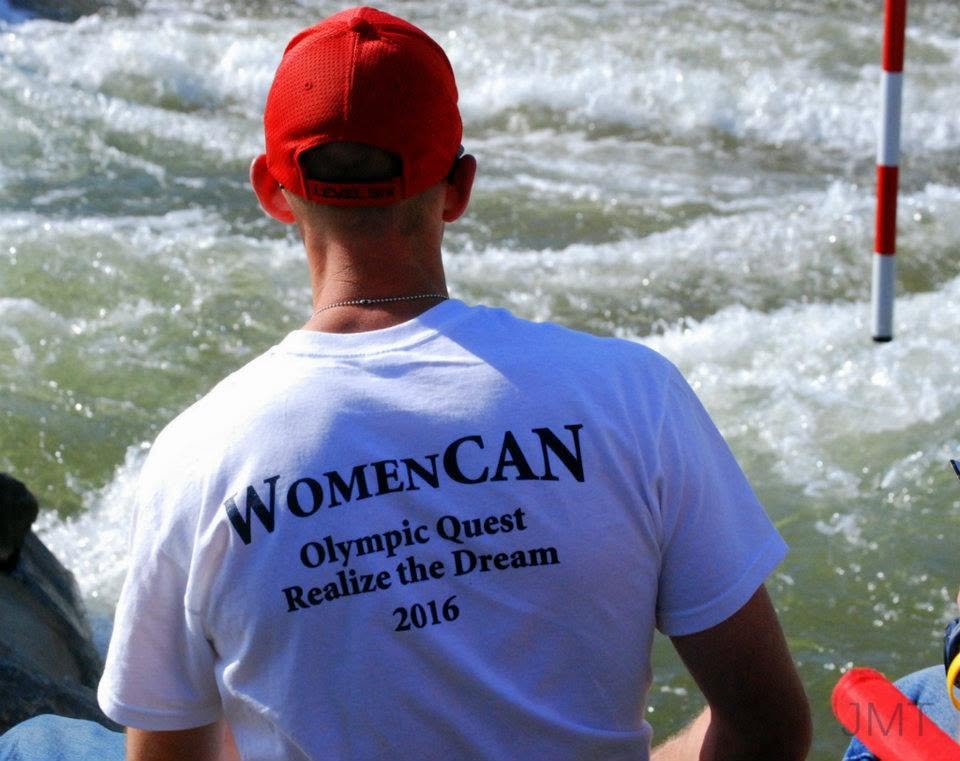
Coaching and bing coached in the Southeast
Further, likely one of the best lessons I learned from Cathy was the skill of being completely in the moment. Slalom is a frustrating sport, to put it mildly. The precision I now enjoy is not earned easily. It is an insanely frustrating process. This process, while reflection and evaluation is essential, it is not productive in the middle of a run.
You cannot be thinking about what you could have done better in gates three, four and five while setting up the move for 12 through 15. The only thing you can do is do the best you can with what is in front of you. Doing this requires being completely present in the current moment. Cathy taught me this. Although I still have to remind myself this quite frequently, I never would be able to do this at all were it not for Cathy teaching me the skill, and heckling me when she knew I was beating myself up as I was still doing a course.
While somewhat rambling, the point is it has taken nearly half a century for me to realize one of the best things I can do is apply myself to something I am not initially very good at, have the humility to suck, and apply the skills I have learned...notably engaging the process, being in the moment and embracing the people invested in your journey as peers and mentors.
The process is worth it, and at the end of the process, the most valuable things you gain very well may not be why you started down the path in the first place. The experiences along the way frequently are the most valuable thing, and the experience of the doing of the thing...should be enjoyed during the doing, as well as after.